 (626) 286-0360
 Airsoft
 Fishing
 Air Gun
 TCG
TCG Events

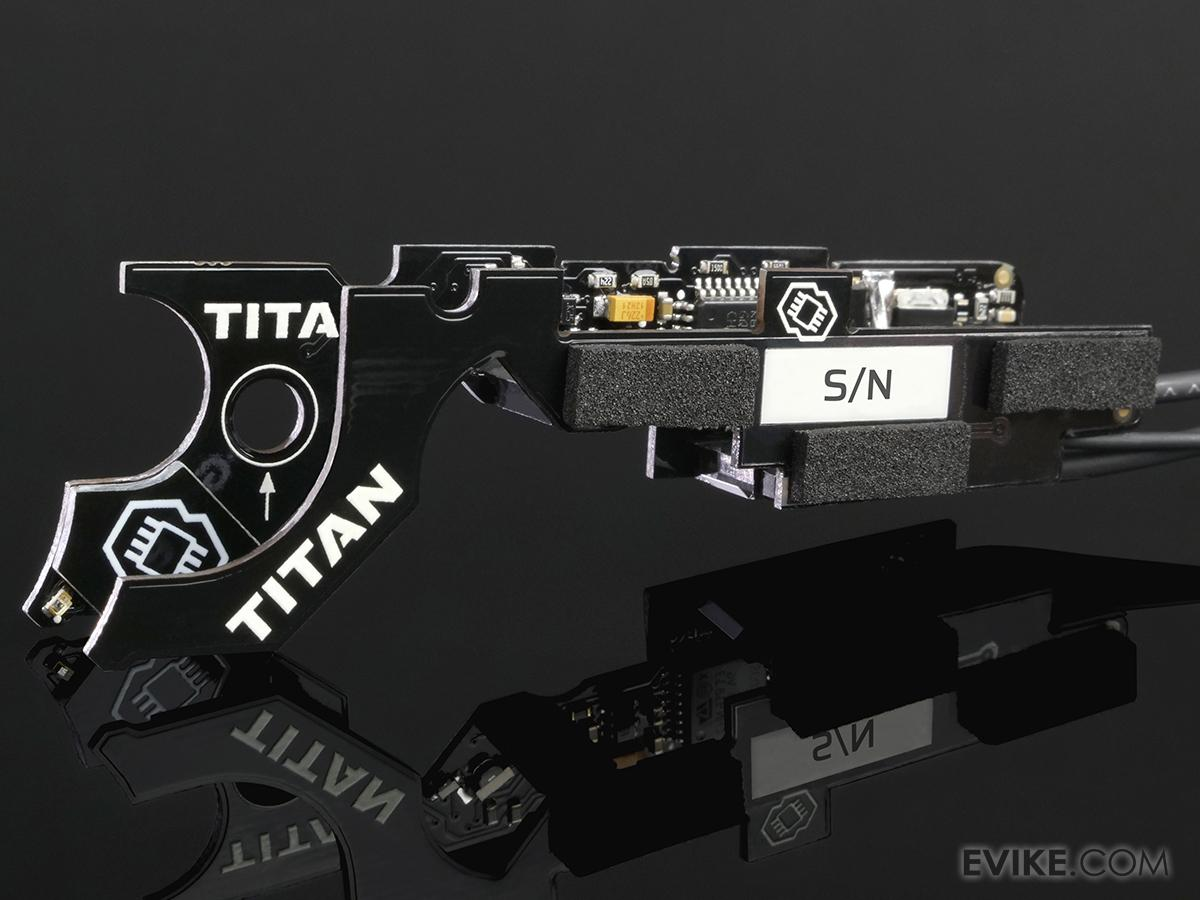
If you've been researching Airsoft AEG (Automatic Electric Gun) upgrades, you've probably run into the term MOSFET. It comes up constantly in build discussions, and for good reason: it's one of the most impactful upgrades you can make to a standard AEG, especially if you're running a high-voltage battery. Here's a plain-language breakdown of what an Airsoft MOSFET actually is, what problem it solves, and whether your setup needs one.
What Is a MOSFET?
MOSFET stands for Metal-Oxide-Semiconductor Field-Effect Transistor. The full name isn't particularly useful day-to-day, but what it does is: a MOSFET is an electronic component that sits between your Airsoft gun's battery and motor and regulates how electrical current flows through your AEG's trigger system.
In practical terms, its primary job is to reroute high-amperage current away from the mechanical trigger contacts and send it directly to the motor. Many modern Airsoft guns from brands like Krytac and G&G now include factory-installed MOSFETs. On guns that don't, adding one is one of the most commonly recommended first upgrades, and once you understand the problem it solves, it's easy to see why.
The Problem MOSFETs Solve
A standard AEG trigger uses two small metal contact plates that physically touch each other to close the electrical circuit and fire the gun. At lower voltages, like a 7.4V LiPo or a NiMH Airsoft battery, this works well enough. The current is manageable, and the contacts hold up.
The problem appears when you step up to an 11.1V LiPo battery. That higher voltage pushes 10 to 20 amps through those tiny contact plates every time you pull the trigger. At that current level, the electricity arcs between the plates as the circuit opens and closes, leaving burn marks and gradually eroding the metal. Over time, that arc damage causes inconsistent trigger response, reduced performance, and eventually complete failure of the trigger assembly. Fixing it means opening the gearbox, which is time-consuming and often means a trip to an Airsoft gun tech.
A MOSFET eliminates that problem at the source.
How Does an Airsoft MOSFET Work?
The MOSFET acts as an electronic switch. Instead of high-amperage battery current flowing directly through the mechanical trigger contacts, it flows through the MOSFET to the motor. The trigger contacts are still there, but now they only carry a tiny low-voltage signal wire. When you pull the trigger, the contacts send that small signal to the MOSFET, which instantly opens its gate and delivers full battery current to the motor.
The current through the physical contacts drops to nearly zero. No arcing. No burn damage. The trigger contacts essentially last indefinitely because they're no longer doing the heavy electrical work they were designed to handle before MOSFETs became standard.
What Are the Benefits of Using a MOSFET?
Trigger Contact Protection
This is the original and most essential benefit. Eliminating arc damage is particularly critical with 11.1V LiPos, which can burn out unprotected trigger contacts within six to twelve months of regular play. If you're running high voltage, this protection alone justifies the cost.
Faster Trigger Response
A MOSFET delivers current to the motor almost instantaneously compared to the gradual contact-to-contact flow of an unprotected trigger. The motor receives full power sooner, resulting in a noticeably snappier feel and a quicker first shot in semi-auto. This is one of the primary reasons competitive players seek out MOSFET upgrades even when their trigger contacts are still in good shape.
Improved Rate of Fire
Lower electrical resistance in the circuit means more efficient power delivery to the motor, which can yield a slight bump in full-auto ROF (Rate of Fire). It's not dramatic, but it's a real effect, and it comes essentially for free alongside the other benefits.
Advanced Features on Programmable Models
More sophisticated MOSFETs go well beyond contact protection and offer a suite of programmable features:
- Burst fire mode: Programmable 2- or 3-round bursts on a single trigger pull
- Active braking: Stops the motor precisely after each cycle, which improves semi-auto consistency and reduces overspin
- Precocking: The motor pre-compresses the spring immediately after firing so the next trigger pull fires with near-zero delay
- Low battery protection: Prevents your LiPo from discharging below a safe voltage, which can permanently damage the battery
- Programmable fire selector: Customize what each selector position actually does on your specific gun
Long-Term Cost Savings
Preventing internal arc damage meaningfully extends the life of your gearbox and trigger assembly. The upfront cost of a MOSFET is almost always less than a single Airsoft gearbox repair, and it reduces the frequency of those repairs significantly over the life of the gun.
What Are the Different Types of Airsoft MOSFETs?
Basic/Plain MOSFET
A basic MOSFET (e.g., NukeFET) is a hardwired inline unit that protects trigger contacts and nothing else. Budget-friendly, small, and simple to understand. No programmable features. Runs $15 to $30 and is a solid choice for players who just want contact protection without added complexity.
Plug-and-Play MOSFET
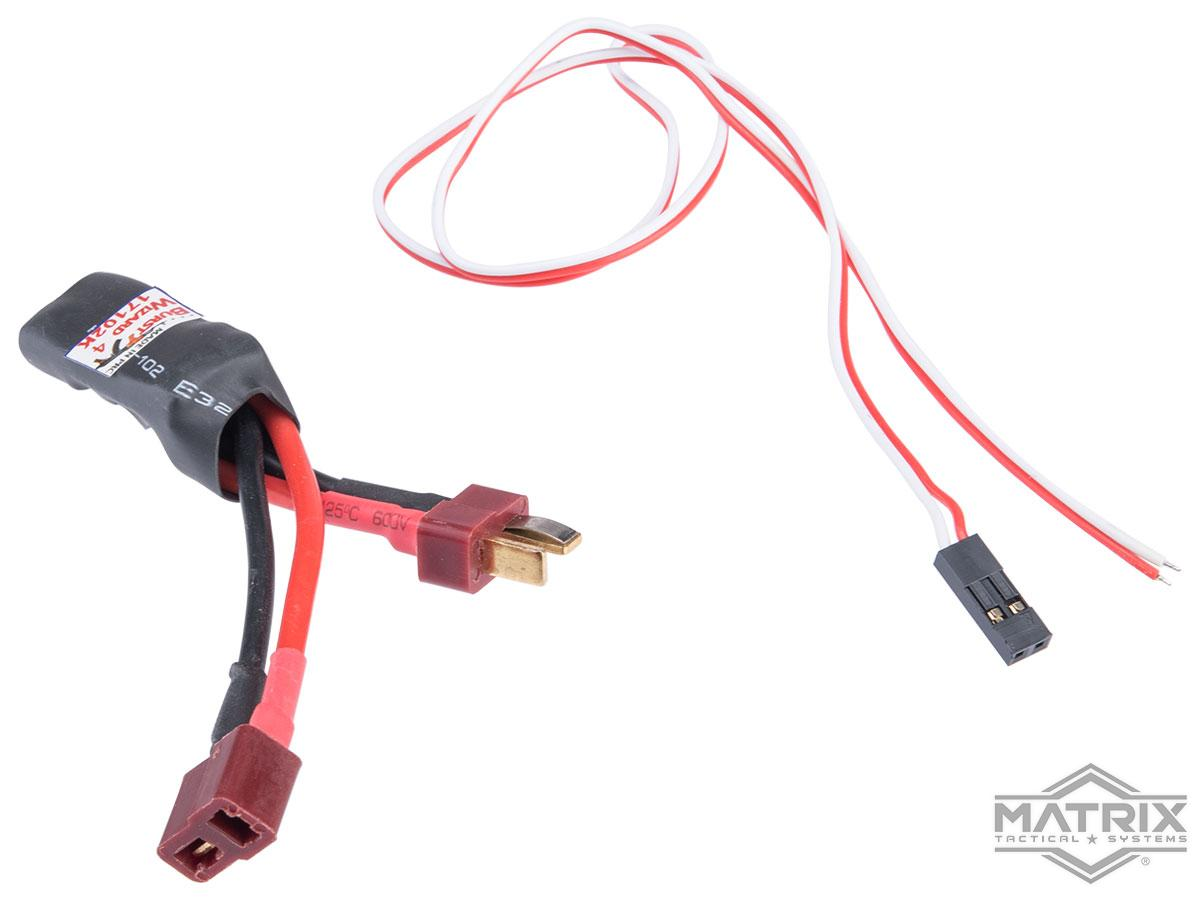
A plug-and-play MOSFET (e.g., Burst Wizard) plugs between the battery and the gun without soldering, making installation easy. May add features like burst fire. Important caveat: most plug-and-play units do NOT reroute the circuit, meaning full battery current still passes through the trigger contacts. They add features but don't solve the arcing problem. More on this below. Runs $20 to $50.
The Key Warning About Plug-and-Play MOSFETs
Plug-and-play MOSFETs are the most commonly misunderstood category. They're easy to install and often marketed as a complete MOSFET solution, but most of them don't actually reroute the high-amperage circuit. Full battery current still flows through the trigger contacts, exactly as before. You may get burst fire or other features, but you're not getting the contact protection that's the core reason most players add a MOSFET in the first place.
If trigger protection is your goal, and it should be if you're running an 11.1V LiPo, you need either a hardwired basic MOSFET or a drop-in trigger board. Don't let the easy installation of a plug-and-play unit convince you that the job is done if you actually need contact protection.
Programmable MOSFET / FCU (e.g., Gate WARFET, MERF)
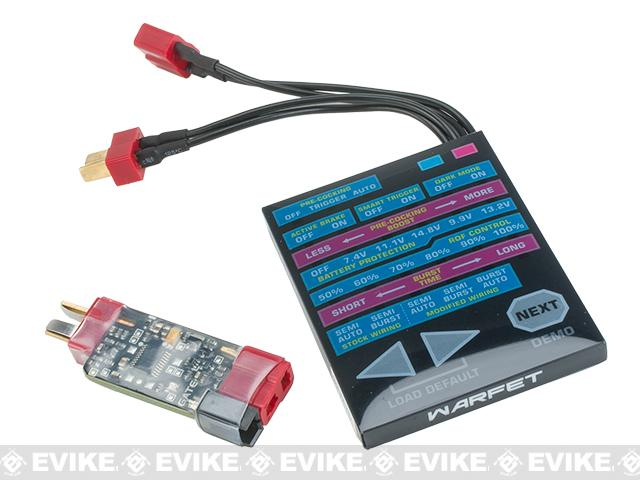
A programmable MOSFET or FCU (e.g., Gate WARFET, MERF) adds programmable fire modes, active braking, and precocking on top of contact protection. Highly configurable and well-suited to tuned builds. Requires wiring work to install properly. Runs $35 to $80.
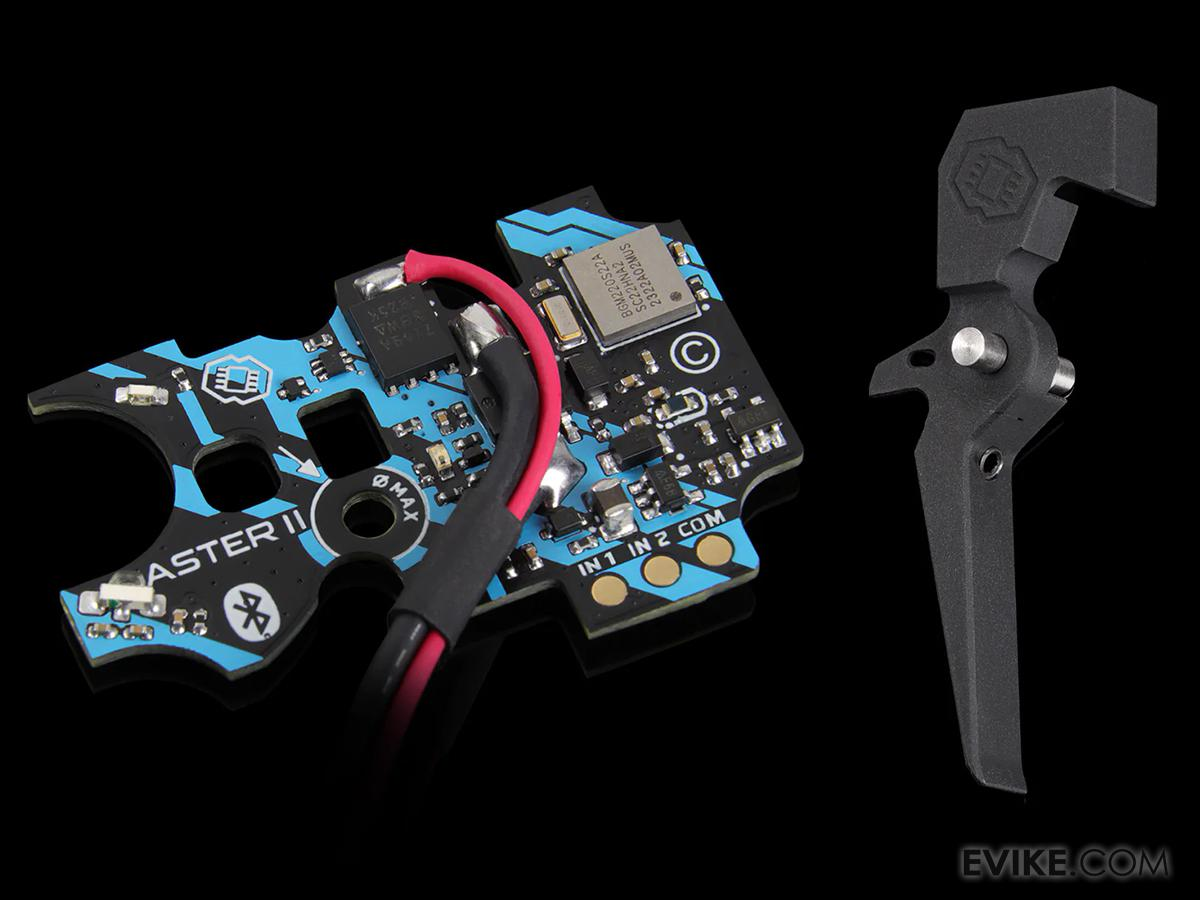
Drop-In Trigger Board
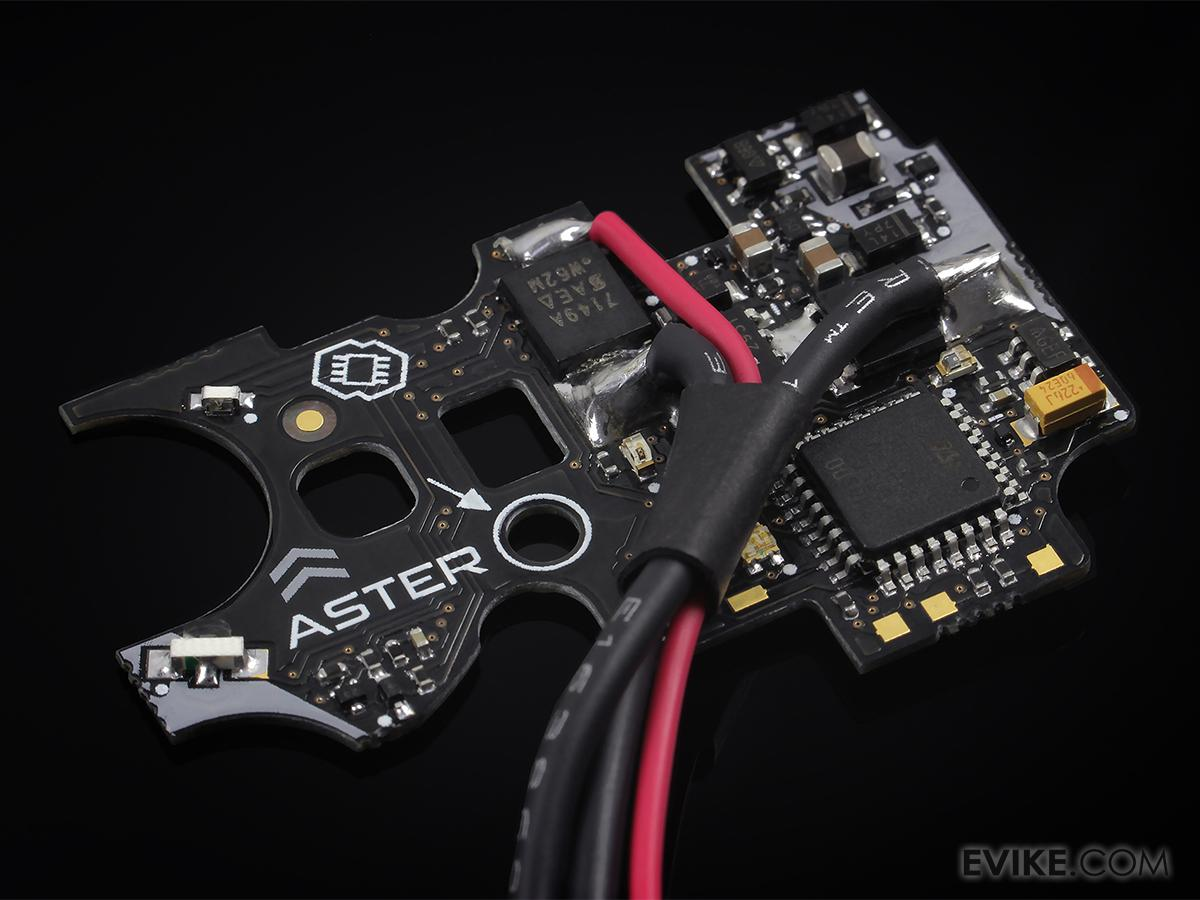
A drop-in trigger board (e.g. Gate Titan, Gate Aster, JeffTron Leviathan) is the top tier of MOSFET upgrades. These replace the entire trigger contact assembly with optical sensors or microswitches, eliminating mechanical contacts entirely. Best trigger feel in class, Bluetooth programming on most models, cycle completion, and the full suite of advanced features. This is the most expensive option at $75 to $150, and compatibility is limited to specific gearbox versions, so check fitment carefully before buying.
Do You Actually Need a MOSFET?
If you're running an 11.1V LiPo, a MOSFET is essentially mandatory. Prolonged use of a high-voltage battery without a protective case can lead to contact failure within six to twelve months of regular play. It's not a matter of if but when.
On a lower-voltage setup like a 7.4V LiPo or NiMH battery, the urgency is lower, but the upgrade is still worthwhile. Improved trigger response, added reliability, potential for advanced features, and long-term protection make a MOSFET one of the best investments for any AEG owner. There are no real downsides beyond the upfront cost and installation labor.
If you're just starting out, learn more about how to choose the best airsoft battery for your gameplay style in our blog.
How Difficult Is MOSFET Installation?
It depends on the type. Basic inline MOSFETs require soldering the unit into the wiring harness and running a signal wire from the trigger contacts. If you're comfortable with a soldering iron and basic wiring, it's a manageable job.
Drop-in trigger boards are a bigger undertaking. They require opening the gearbox, removing gears, pistons, and springs, replacing the original trigger assembly with the new board, and reassembling everything correctly. Take photos of the gearbox layout before you disassemble it. A single misplaced part can cause the gun to malfunction or not cycle at all.
If you're not comfortable with soldering or gearbox work, having an experienced Airsoft tech handle the install is a completely reasonable choice. The cost of a professional installation is usually still less than replacing damaged trigger contacts later.
Shop Airsoft MOSFETs at Evike.com
Evike.com carries a full selection of Airsoft MOSFETs and ETUs (Electronic Trigger Units) from top brands including Gate, Perun, E-Shooter, JeffTron, and T238. Whether you need basic contact protection for a budget build or a fully programmable drop-in trigger board for a competition setup, there's an option for every AEG and every budget.
No matter your setup or skill level, Evike.com makes it easy to find the right Airsoft MOSFET for smoother, more consistent performance.